Back-end Development.
APIs, workers, and databases that hold up.
Backends designed for reliable, predictable operation.
About Back-end Development
The best backend is the one your on-call rota forgets exists.
Back-end Development is the plumbing that makes everything else look easy: APIs, workers, databases, queues, cron, and the observability that keeps them honest at 3am.
We build for the long tail: the retries, the poison-message handling, the graceful degradation, the migration story, the audit trail. Nothing bleeding-edge; everything durable.
Handed over with performance budgets, alerting playbooks, and a runbook per component. Your team can be on-call for it on day one.
Project deliverables
What we can deliver.
These are possible deliverables for this service. Your statement of work defines the selected scope, price, milestones, acceptance checks and responsible reviewers.
- 01Production APIs, workers, and jobs
- 02Database schema + migration tooling
- 03Queue & retry infrastructure
- 04Observability: logs, metrics, traces, alerts
- 05Load-tested with regression baselines
- 06Runbooks per service, on-call playbook
Business use cases
Where Back-end Development fits.
Explore practical applications of Back-end Development and the workflows each can support. We agree the implementation scope around your users, systems and priorities.
Product backend
The APIs and workers behind a web or mobile product.
Data pipelines
Batch or streaming pipelines with SLAs and observability.
Integration hub
A service layer that consolidates access to 5+ third-party systems.
Technical approach
Capabilities your project needs.
We select tools around your requirements, existing systems and operational constraints. These capabilities guide the architecture and implementation.
- APIs (REST/GraphQL)
- Workers & queues
- Databases
- Observability
- Load testing
- On-call tooling
Our delivery process
From requirements to handover.
We plan requirements, architecture, design, implementation, testing, release and handover. The proposal identifies the engineering review and client acceptance points for your project.
Service questions
Back-end Development: common questions.
What language / framework?
Whichever fits: Node/TypeScript, Python, Go, or JVM. We pick for team fit and problem shape, not fashion.
How do you handle scaling?
Horizontal-first for stateless services, careful for stateful. Scaling limits are load-tested and documented at the architecture gate.
Who's on-call after handover?
Your team, with our runbooks. Optional launch support or a retainer can be agreed for the specific project if you want a buffer.
See the work
Related software in action.
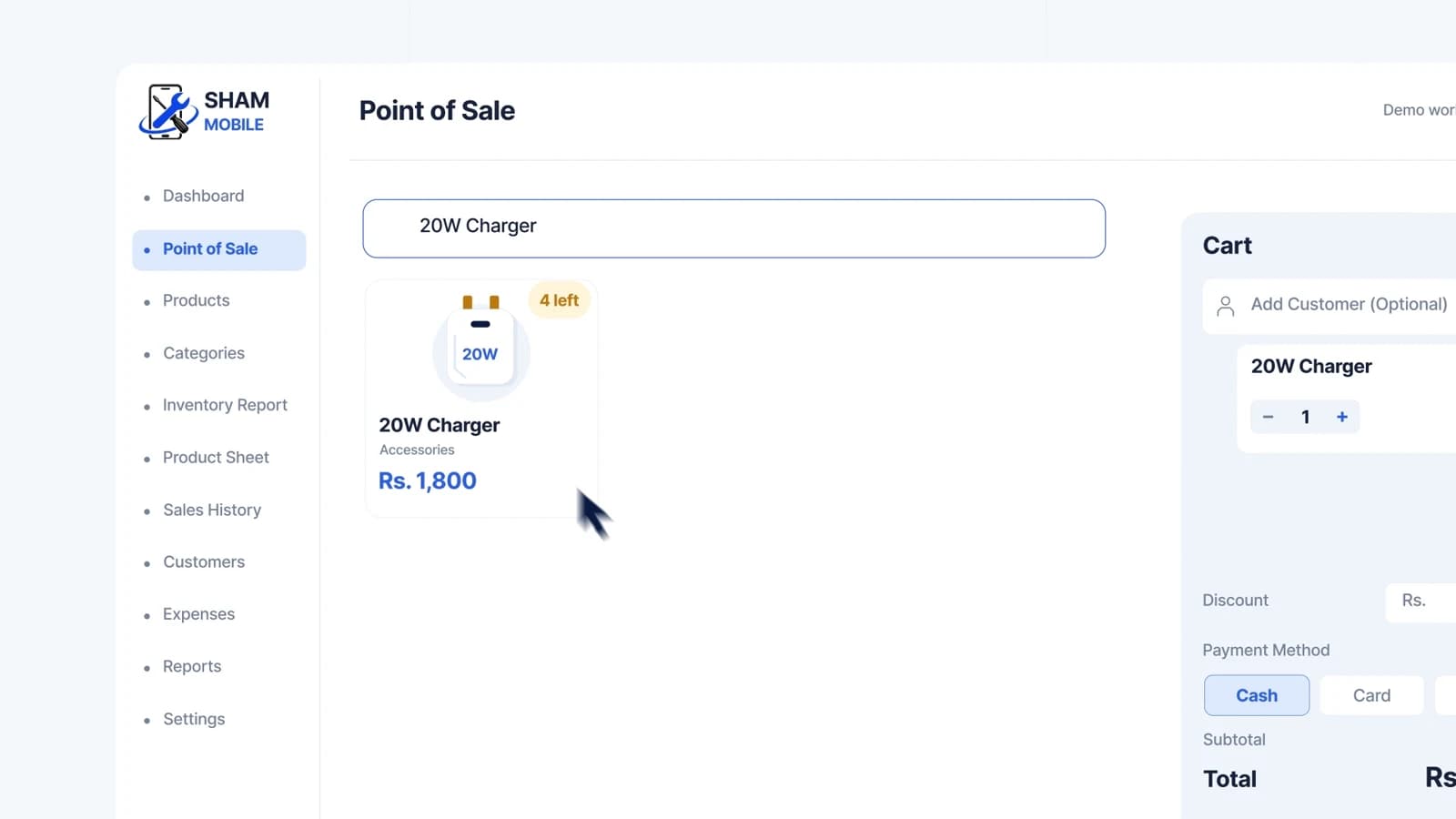 SW1:50 · Product demo
Small Shop CRM
A clearer day at the counter.
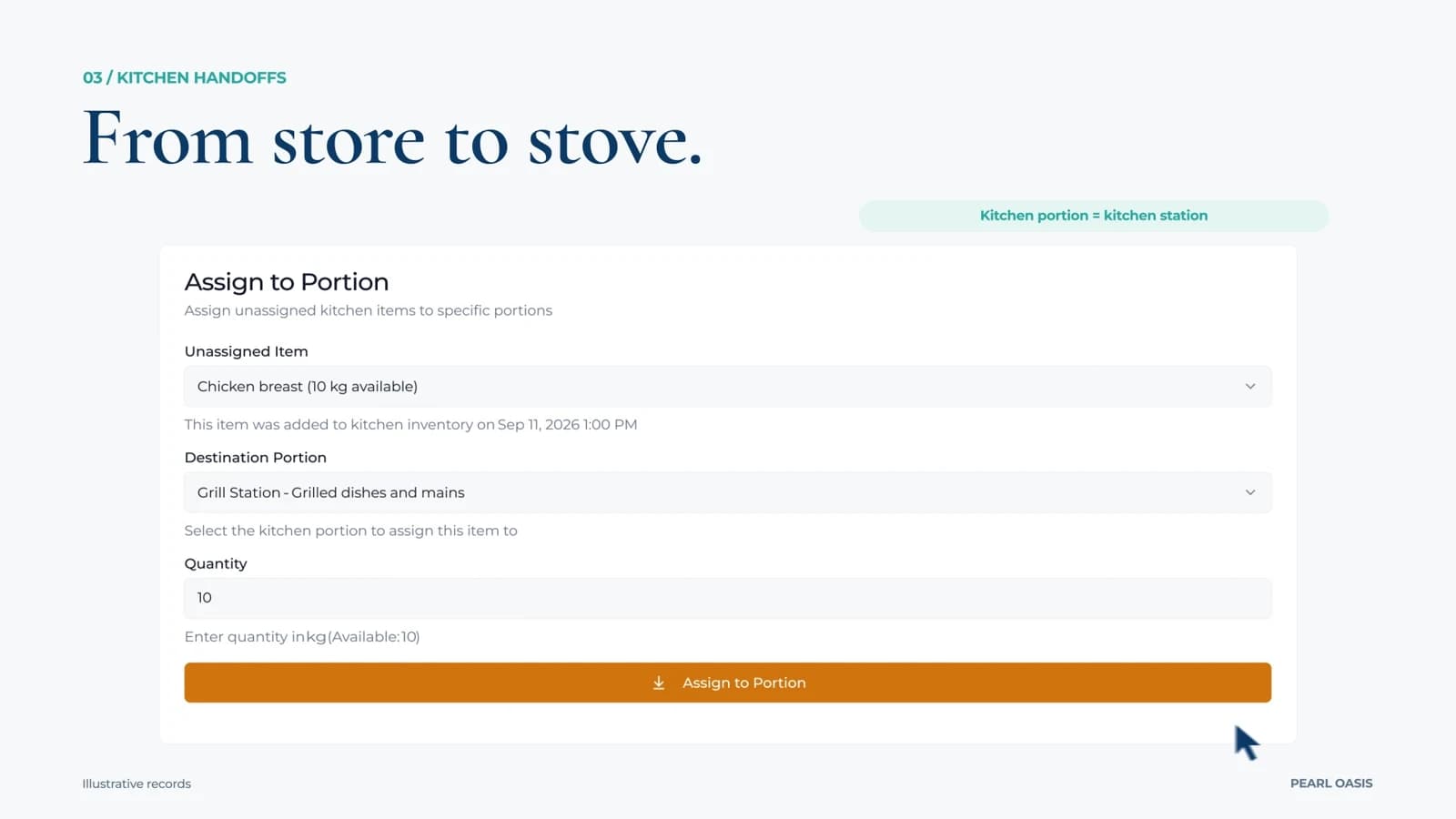 SW1:30 · Product demo
Pearl Oasis
Connect restaurant purchasing, kitchen stock and daily operations.
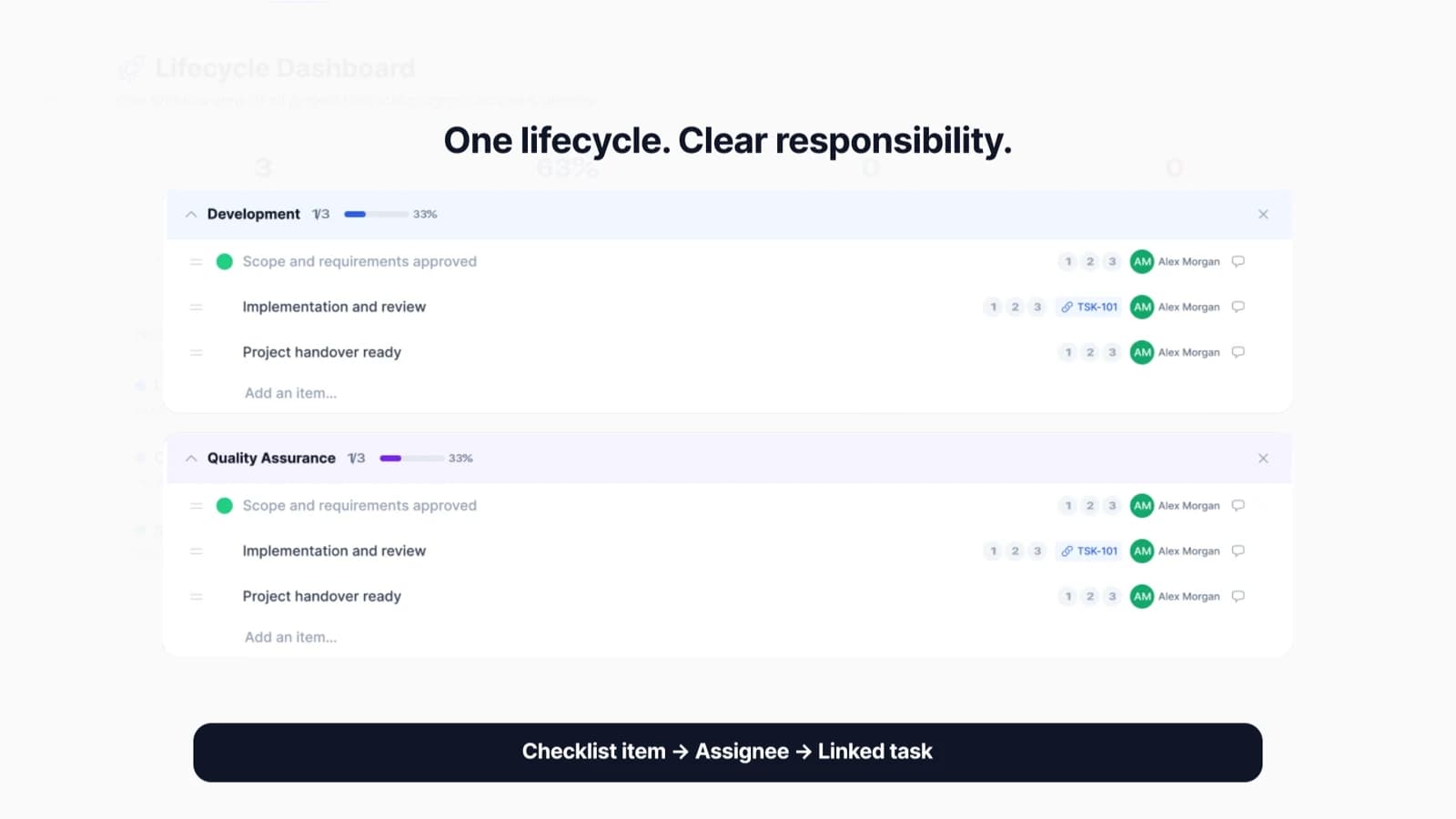 SW3:00 · Product demo
Portal
Connect sales, delivery, people and client collaboration.
Plan your project
Discuss your requirements.
Tell us your goals, current systems and delivery priorities. We will define the scope and provide a written quote for Back-end Development before implementation.
Timelines, ownership, third-party licences, warranty and support are agreed for your engagement.